

Dr. Mohamed Lachemi, P.Eng., is a globally recognized leader in sustainable and smart concrete research. Throughout his 30-years of research, he has pioneered improvements to ultra-high-performance, sustainable, and smart cementitious and geopolymer materials.
He is most renowned for his work advancing Engineered Cementitious Composite (ECC), a highly ductile material that is considerably more flexible than conventional concrete. He has developed zero-cement geopolymer ECC produced entirely from construction and demolition waste, significantly lowering carbon emissions. The “fresh-to-fresh” method he introduced combines ultra-high-performance concrete with conventional concrete to reduce cost while enhancing resilience under extreme conditions.
He has also made a major impact on the field of smart materials technology by developing materials with self-healing, self-sensing, and energy-storage capabilities. He was awarded the ACI Wason Medal for Materials Research for his accelerated, practical method for evaluating concrete resistance to chemical attack. His innovations have been applied worldwide, from bridge construction to 3D-printed structures. He has also published hundreds of research papers, and his widely cited and recognized work has attracted significant research funding.
Beyond research, Dr. Lachemi has contributed to the engineering profession through academic leadership and mentorship. As president of Toronto Metropolitan University (TMU), and previously as dean of engineering and architectural science, Dr. Lachemi has greatly strengthened TMU’s research and education capacity while providing more dedicated resources for engineering researchers and students alike. He has mentored over 100 graduate students and postdoctoral fellows and built industry partnerships to provide experiential learning opportunities across engineering disciplines.
He has also driven major institutional growth at TMU, including the creation of the Lincoln Alexander School of Law and the School of Medicine—Ontario’s first new medical school in 20 years. Both are improving access to services for underserved communities. He has also led the development of innovative education models such as the Zone Learning System and played a key role in equity and inclusion initiatives, including TMU’s renaming from Ryerson University.
Dr. Lachemi is an active member of Universities Canada and the Council of Ontario Universities, where he has held significant leadership roles, and continues to contribute to shaping postsecondary policy and advocacy at the national level. He also serves on the boards of the World University Service of Canada and OneEleven Scaleup Innovation Hub, advancing global access to education and innovation ecosystems in Canada. He delivers keynote presentations worldwide and advances engineering knowledge and collaboration on a global scale.
Outside academia, he contributes technical expertise through board roles with the Greater Toronto Airports Authority and Rogers Communications, supporting infrastructure development and national connectivity.
Overall, Dr. Lachemi has made a wide and lasting impact as a leader in research, education, and public service. He has helped infrastructure become more sustainable, strengthened the engineering profession, and contributed meaningfully to society, making him a deserving recipient of the Professional Engineers Gold Medal.
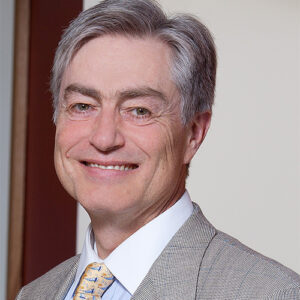
Daniel Carson, P.Eng.’s career spans nearly five decades and is defined by exceptional contributions to structural engineering, the profession, and the community. His project portfolio includes some of Canada’s most significant heritage and institutional buildings, notably, Daniel has worked on the Canadian Parliament Rehabilitation, the National Gallery of Canada, and the Victoria Memorial Museum. These projects required navigating complex heritage constraints while enhancing the sites’ structural integrity and long-term resilience.
Daniel has also been a leader in seismic engineering innovation. His achievements include introducing friction dampers in hospital retrofits and advancing seismic isolation for Parliament’s Centre Block—one of the most ambitious retrofit projects in Canadian history.
His influence extends into research, with numerous publications focused on seismic and blast-resistant design. His co-authored work, Demystifying Blast Resistant Design, helped make complex concepts more accessible to practitioners.
Daniel also played a key role in shaping national standards through his long-standing involvement with the National Building Code of Canada’s Seismic Design Committee, directly influencing building safety across the country.
Daniel’s community impact is equally significant. His humanitarian work following the 2010 Haiti earthquake stands out. He worked with a joint venture team of Canadian structural engineers from Halsall (now WSP), RJC, Blackwell Bowick, and Quinn Dressel to donate pro bono engineering services for the design of resilient school structures using recycled earthquake debris—creating sustainable, locally adaptable solutions for rebuilding communities.
He has also served for over a decade on the board of Andrew Fleck Children’s Services, supporting high-quality, inclusive childcare, with a facility space named in his honour.
In his work within the engineering community, he has mentored generations of engineers since joining Halsall Associates (now WSP) in 1978, many of whom now hold senior leadership roles. Additionally, his contributions to Carleton University’s Civil and Environmental Engineering Advisory Committee helped shape curriculum and guide the development of engineering students.
Daniel continues to engage in public outreach, delivering lectures and presentations that make engineering accessible to broader audiences.
Overall, Daniel Carson’s impact goes far beyond technical excellence. His leadership in major national projects, dedication to mentoring, contributions to research and codes, and commitment to humanitarian and community service demonstrate a career rooted in using engineering to improve society, making him a deserving recipient of the Citizenship Award.

Ian Cameron, P.Eng., is a highly accomplished metallurgical engineer with 45 years of global experience in iron and steel production. After completing post-graduate studies at McGill University, Ian began his career at Stelco, focusing on applied research and development to improve product quality, productivity, and cost efficiency. He later held senior technical and leadership roles at Cyanamid Canada and Falconbridge, where he led innovation initiatives such as patented iron desulfurization processes and operational improvements that doubled nickel smelting furnace capacity while enhancing environmental performance related to SO2 emissions.
In 1996, Ian joined Hoogovens Technical Services (HTS) as Technical Director – Ironmaking, where he helped build a globally recognized consulting team to sell Dutch steelmaking expertise across international markets including, the U.S.A., Brazil, India, Australia, and Europe. HTS became Corus Consulting after the 1999 merger of British Steel and Hoogovens.
In 2001, Ian joined Hatch after it acquired Corus Consulting’s Ontario-based team. Ian first worked in Hatch’s management consulting business unit providing operational excellence services and emerging technology implementation support to a global clientele. This included a 3-year assignment in Hatch Australia where Ian made important connections with global resource companies. On his return to Canada in 2005, Ian joined Hatch’s iron & steel team and spent over two decades leading the global ironmaking technology team, implementing improvements to the iron ore-to-molten steel value chain. Ian delivered complex, large-scale projects worldwide, including steel and pellet plant design, blast furnace optimization, failure analysis, feasibility studies, and sustainability initiatives. In the late 2010’s, Ian’s work had an ever-increasing focus on technical changes to reduce greenhouse gas emissions from the steel value chain. Steel production is a hard to abate industry that contributes almost 10% of global Greenhouse Gas (GHG) emissions and is the largest GHG emitting sector in Ontario.
Ian’s contributions to the community are equally significant. He actively mentors the next generation of engineers—many of whom have gone on to achieve industry recognition. He has been an active member of the Association for Iron and Steel Technology (AIST) for 45 years and a prolific contributor to technical knowledge through publications, conference presentations, and committee involvement. His thought leadership spans key areas such as blast furnace operations, alternative ironmaking technologies, and GHG reduction strategies. He has received prestigious AIST awards, including four Josef S. Kapitan Best Paper Awards (Ironmaking), the Thomas L. Joseph Award for excellence in ironmaking, the Benjamin Fairless Award recognizing career accomplishments, and the Hunt-Kelly Best Paper Award (Conference wide). In 2026, AIST recognized Ian as an AIST Distinguished Member and Fellow.
In 2024, Canada’s Metallurgical Society, MetSoc, awarded Ian their Sustainability Award for his work identifying technology pathways to reduce steel industry greenhouse gas emissions. Ian has received Hatch global awards for innovation, best paper, knowledge management and mentorship.
In 2020, Ian contributed to engineering education as lead author for a new and widely used comprehensive textbook entitled Blast Furnace Ironmaking, Analysis, Control and Optimization. He continues to lecture at McMaster University and for key clients, helping industry professionals understand the technical and environmental challenges as iron and steelmaking technologies advance to serve society’s needs in the decades to come.
Ian Cameron’s impact on the steel industry lies in his technical leadership, global influence on ironmaking practices and greenhouse gas reduction strategies, and his commitment to mentorship and sustainability. His work has advanced operational excellence, reduced the steel industries environmental impact, and positioned Hatch as a world-class provider of engineering solutions to the global steel industry. These accomplishments make Ian a deserving recipient of the Engineering Medal for Engineering Excellence in Industry.

Harneet Panesar, P.Eng., is a highly accomplished engineering leader whose career has been defined by large-scale organizational transformation and public-impact leadership in the energy sector.
As Chief Operating Officer of the Ontario Energy Board (OEB) from 2021–2025, Harneet led a comprehensive transformation aimed at positioning the regulator among the top tier globally. During a time of rapid change in the energy landscape, he realigned the organization’s people, processes, and technology to improve efficiency, decision making, and regulatory effectiveness.
A key outcome of his leadership was a significant improvement in regulatory performance. Decisions issued within established timelines increased from approximately 60% to 99%, demonstrating a major gain in efficiency and predictability. He also introduced advanced analytics and AI-enabled tools to strengthen insight, institutional knowledge, and operational effectiveness, ensuring OEB could keep pace with emerging challenges such as electrification, distributed energy resources, and evolving utility models.
Prior to the OEB, Harneet spent over 13 years at Hydro One in progressively senior roles, and ultimately led large, multidisciplinary teams responsible for critical infrastructure planning, asset management, and capital investment programs. His work contributed to system reliability, safety, and long-term network performance, giving him deep expertise in managing complex utility operations at scale. He now continues to make an impact in a senior leadership role at Hatch, advising global clients on managing energy challenges and exploring opportunities.
Beyond his executive roles, Harneet has made meaningful contributions to the engineering profession through mentorship, governance, and education.
Through public speaking engagements, he has helped improve understanding of key issues like energy transition and infrastructure resilience. He has also taught and mentored students at institutions including the University of Toronto and Toronto Metropolitan University, supported student innovation initiatives, and served on advisory bodies at leading universities.
He is also a Fellow of Engineers Canada and an advocate for equity, diversity, and inclusion within the profession. Harneet has taken on leadership roles in organizations such as the Sikh Foundation of Canada and does ongoing volunteer work with Seva Food Bank.
His service has been recognized through the Ontario Volunteer Award, induction into the Engineering Hall of Fame, and the Order of Honour from Professional Engineers Ontario.
Harneet’s impact reflects a combination of strategic leadership, professional service, and community commitment. His work has strengthened critical institutions, advanced the engineering profession, and delivered meaningful benefits to society, making him a deserving recipient of the Engineering Medal for Management.

Dr. Hanan Anis, P.Eng., is a distinguished engineering leader whose career spans industry innovation, entrepreneurship, and transformative impact on engineering education. She is internationally recognized for her contributions to photonics, including optical networking, device physics, and nonlinear imaging, as well as her work in engineering management and innovation.
Early in her career at Nortel, her wavelength-locked laser research advanced global optical communications and earned a Nortel Innovation Award. She later co-founded Ceyba, a high-capacity optical networking company, where she led product design and strategy and secured over $100 million in venture capital—demonstrating a rare ability to translate engineering innovation into commercial success.
At the University of Ottawa, Hanan has driven a fundamental shift in how engineering is taught and practiced. As holder of an NSERC Chair in Entrepreneurial Engineering Design, she founded the Centre for Entrepreneurship and Engineering Design (CEED), which has grown from a small lab into a large-scale innovation ecosystem supporting over 2,000 students annually, with extensive industry and community partnerships.
She also established the School of Engineering Design and Teaching Innovation (SEDTI) at the University of Ottawa, embedding entrepreneurial design across the curriculum and positioning the institution as a national model for integrating technical education with real-world problem-solving and commercialization.
Her leadership has created structured pathways for students to develop into innovators and entrepreneurs. Initiatives such as the MakerLaunch Accelerator provide mentorship, funding, and hands-on experience to transform ideas into market-ready startups, while Design Day connects student innovations with industry and community stakeholders. Her approach emphasizes client-driven, real-world projects that address challenges in healthcare, public safety, and accessibility, ensuring that engineering solutions have tangible societal impact.
Hanan’s influence extends beyond academia into community engagement and outreach. Through programs like the Engineering Makermobile, she has expanded access to STEM education for youth, including those in underserved and Indigenous communities. Her partnerships with hospitals, nonprofits, and public sector organizations have resulted in deployable technologies that directly benefit communities while training socially responsible engineers.
Dr. Hanan Anis has built one of Canada’s leading engineering entrepreneurship ecosystems. By combining technical excellence with entrepreneurial execution, she has demonstrated how engineers can systematically create and scale innovation. Her work has not only advanced engineering education but also strengthened Canada’s capacity for technology commercialization and societal impact, making her a deserving recipient of the Engineering Medal for Entrepreneurship.
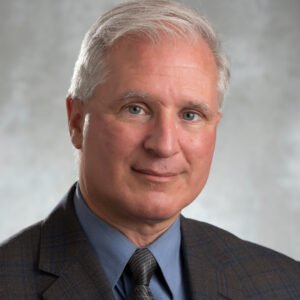
Dr. David Clausi, P.Eng., is a globally recognized engineering researcher and innovator whose work has had significant impact across multiple domains, including image processing, remote sensing, computer vision, biomedical engineering, and sports analytics. With over 370 publications, 13,000+ citations, and a top 0.11% global research ranking, his scholarly contributions are both extensive and influential. His work has not remained theoretical though—he has consistently translated research into real-world applications and commercial technologies.
In the field of remote sensing, his algorithms are embedded in commercial geospatial software and are being used to improve sea-ice mapping for the Canadian Ice Service. He and his team have also developed automated systems for Arctic wildlife detection, significantly reducing manual analysis time.
In computer vision, his supervision contributed to the founding of Miovision, a globally recognized smart-city company, and his initiative led to imaging technologies commercialized by companies like Christie Digital.
His biomedical engineering work includes innovations with his team in skin cancer detection and physiological monitoring, while in sports analytics, he founded and sold the company CREZ in the basketball statistics realm and partnered with Stathletes to advance ice hockey analytics.
David is also an award-winning educator and mentor, winning two teaching awards and having supervised approximately 200 students, many of whom have gone on to leadership roles in academia and industry. His leadership as Associate Dean – Research in the Faculty of Engineering at the University of Waterloo strengthened research capacity, partnerships, and funding, including securing major infrastructure investments and supporting the appointment of multiple Canada Research Chairs. He has also played key roles in professional societies and editorial boards, helping advance the engineering profession and raise its visibility.
Beyond academia, he has demonstrated strong community involvement through outreach, mentorship, and volunteer leadership. He has contributed to STEM education initiatives, organized seminar series to connect students with industry leaders, and actively supported youth development through coaching and leadership roles in community sports organizations.
Overall, Dr. Clausi’s career reflects a rare combination of research excellence, practical innovation, educational leadership, and community service. His work supports efficiency, safety, and decision-making across multiple sectors while shaping the next generation of engineers and advancing the profession both in Canada and globally, making him a deserving recipient of the Engineering Medal for Research and Development.
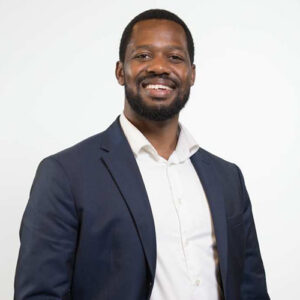
David Boroto, P.Eng., is an emerging engineering leader whose career is defined by applying infrastructure expertise to improve lives in underserved communities globally.
From early on, he focused on practical, impact-driven work — starting with Engineers Without Borders (EWB) Canada, where he worked to address affordable housing development in Kenya and digital access in Uganda through social enterprises Kwangu Kwako and Viamo respectively.
At the United Nations Office for Project Services (UNOPS), David played a key role in shaping infrastructure planning and financing strategies for low- and middle-income countries. He developed the Sustainable Infrastructure Financing Tool (SIFT), which helps governments prioritize and secure funding for infrastructure projects. His work contributed to national strategies and resilience roadmaps for countries such as Ghana, Saint Lucia and Jamaica, strengthening infrastructure systems and long-term development outcomes.
He later joined Mott MacDonald as an Infrastructure Advisory Consultant, where he worked on major Canadian projects across transportation, energy, and healthcare. Notably, he served as a technical advisor on the Wataynikaneyap Transmission Project, which brought reliable electricity to 24 First Nation communities in Northern Ontario, and supported sustainability efforts on the Ontario Line subway project.
In 2025, David became CEO of Engineers Without Borders Canada, where he has revitalized the organization and expanded its impact across Canada and Africa. Leading a $1.5M organization, he has launched new national programs such as the Systems Change Certification and Global Innovation Fellowship, mobilizing engineers to tackle complex social and global development challenges through systems thinking and innovation.
Beyond his professional roles, David has contributed significantly to the engineering profession and community. He has held leadership positions on the Board of EWB Canada, helped shape engineering education at the University of Toronto, and engaged thousands of students across Canada through speaking and mentorship.
He has also led community initiatives, including infrastructure projects in Latin America and founding the Haguma Foundation to support development efforts in the Democratic Republic of Congo.
Overall, David Boroto’s impact lies in combining engineering expertise with a strong commitment to social good. His work spans global infrastructure development, policy influence, and community leadership, demonstrating how engineers can drive meaningful, large-scale change in both local and international contexts, making him a well-deserving recipient of the Engineering Medal for Young Engineer.

Sana Abou-Shaaban, P.Eng., is an exceptional engineering leader whose work reflects a rare combination of technical excellence, strategic foresight, and a deep commitment to public service.
As Strategic Engineering Advisor at the Canada Border Services Agency (CBSA), Sana coordinates the Infrastructure Technical and Operational Committee (ITOC), providing national technical governance for complex infrastructure projects. In this role, she facilitates multi-disciplinary technical reviews, ensuring consistency with engineering standards, risk management frameworks, and operational requirements across the Agency’s infrastructure portfolio. In parallel, as project manager for a major port of entry, she leads the delivery of critical infrastructure projects, coordinating stakeholders, managing risks, and overseeing project progression. Through these combined leadership roles in both governance and execution, she has strengthened project review processes, improved decision-making transparency, and enhanced the reliability and resilience of CBSA infrastructure.
In her previous role as manager of environmental policy & planning, she led the development of CBSA’s Departmental Sustainable Development Strategy, integrating climate resilience, environmental assessment, and engineering risk analysis into infrastructure planning. Her ability to bridge technical rigour with policy and executive-level decision-making enabled successful approval and national reporting, demonstrating both engineering leadership and accountability.
Beyond her professional role, Sana has made significant contributions to the engineering profession through leadership, governance, and advocacy. As co-founder of the Women in STEM Network at CBSA, she has championed initiatives that promote mentorship, inclusion, and the advancement of women in technical roles, creating meaningful and lasting impact within the organization. She has also held executive leadership positions within the Institute of Electrical and Electronics Engineers (IEEE) Canada (R7), IEEE Communications Society (ComSoc) North America Board and the IEEE Ottawa Section, delivering professional development programs, strengthening member engagement, and demonstrating sustained impact across regional, national, and continental levels.
As chair of the Professional Engineers Ontario (PEO) Ottawa Chapter from 2022 to 2023, Sana led one of the largest chapters in the province, representing over 9,000 engineers. She provided strategic direction to a board of executives, strengthening governance, member engagement, and professional programming at scale. She founded the Chapter’s first Diversity, Equity, and Inclusion (DEI) Committee, advancing inclusive leadership and establishing impactful initiatives, including a mentorship program to support emerging engineers. Under her leadership, the Committee delivered high-visibility initiatives and events such as International Women in Engineering Day, amplifying the role of women in engineering and extending its reach through public and media engagement. Her election to the National Executive Board of the NR Group within the Professional Institute of the Public Service of Canada (PIPSC) – the nationally elected body representing the Architecture, Engineering, and Land Survey (NR) Occupational Group within the federal public service – further reflects her leadership in advancing professional standards and representation within the federal public service. This is a highly competitive, member-elected position responsible for national representation and advocacy on behalf of engineers, architects, and land survey professionals across Canada.
Her community impact is broad and sustained. She has supported youth engagement through long-standing volunteer involvement with BGC Ottawa (previously known as the Boys & Girls Club of Ottawa) and has mentored young women in STEM through initiatives such as Technovation. Within CBSA, she contributes to employee well-being as a peer support agent, providing support during critical incidents. She is a nationally recognized public speaker on women in STEM and inclusive leadership, advancing awareness and representation across the engineering community.
Sana Abou-Shaaban’s career reflects an outstanding integration of engineering expertise, leadership, and community service. Her contributions have strengthened infrastructure governance, advanced sustainability practices, and fostered inclusion within the profession – demonstrating the far-reaching societal impact of engineering leadership and making her a highly deserving recipient of the Engineering Medal for Young Engineer.
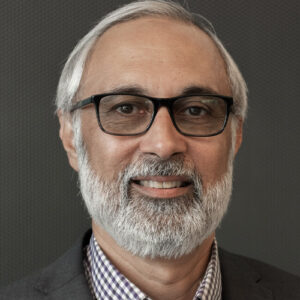
The Kirby Road Extension project in the City of Vaughan, which included four lanes, a new bridge structure, and an in-boulevard multi-use pathway, is a strong example of how innovation, sustainability, and engineering leadership can come together to deliver meaningful infrastructure outcomes. By incorporating approximately 55,000 tonnes of Recycled Concrete Aggregate (RCA) into the project applications, the project reduced reliance on virgin materials while maintaining performance and quality standards.
A key factor in this success was the municipality’s leadership in evaluating and implementing RCA as a viable engineering solution. This ensured the material met all technical requirements through rigorous testing and close coordination with suppliers and contractors. In addition, it helped refine project specifications by clearly defining acceptance criteria, including gradation, contamination limits, and quality control procedures.
This work not only supported successful project delivery but also strengthened confidence in RCA as a reliable material, creating a more consistent framework for its use in future infrastructure projects.
The environmental impact of this project was significant. The use of RCA diverted approximately 2,000 truckloads of concrete from landfills, reducing construction waste and supporting more sustainable material reuse. It also minimized the need for virgin aggregate, which typically involves resource-intensive quarrying and transportation. These outcomes highlight how material choices can directly reduce the environmental footprint of infrastructure projects.
The City of Vaughan demonstrated strong engineering leadership and collaboration by positioning the use of RCA as a pilot initiative. This created a controlled environment to validate performance, collect data, and address technical and regulatory considerations.
By engaging stakeholders and aligning expectations, they were able to build confidence among partners and regulators, ensuring that RCA could be successfully integrated without compromising quality or safety. This approach not only enabled the project’s success but also established a pathway for broader adoption of recycled materials.
From a societal perspective, the project supports more sustainable urban development by reducing landfill use, conserving natural resources, and lowering emissions. It also offers potential cost efficiencies, allowing public funds to be used more effectively across infrastructure investments such as roads, sidewalks, and community facilities.
Overall, the Kirby Road Extension project demonstrates how thoughtful engineering, combined with strong leadership and collaboration, can drive practical and scalable sustainability outcomes. It serves as a model for integrating recycled materials into infrastructure while delivering long-term environmental and community benefits.
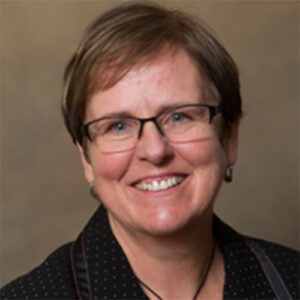
Suzanne (Sue) Tessier, P.Eng., is a highly deserving recipient of the Distinguished Lifetime Achievement Award, recognized for her sustained excellence in engineering, influential leadership, and lifelong commitment to advancing the profession.
Sue’s career in the mineral industry spans 34 years with Inco/Vale, culminating in her retirement in 2013. She began as a process engineer at the Copper Cliff Smelter Complex, where she contributed to process improvements, research and development, and environmental compliance—supporting safer, more efficient operations. She advanced into senior operational leadership roles, overseeing critical functions including the copper refinery, acid plant, oxygen plant, smelter utilities, and furnaces. In these roles, she was responsible for safety, production, workforce management, and project execution, consistently demonstrating strong leadership in complex, high-stakes environments.
Sue’s impact extends well beyond her career in industry. She has been a dedicated leader within the Ontario Society of Professional Engineers (OSPE), serving as a Board Director, Board Secretary, and member of the Executive Committee. She played an important role in shaping governance and strategic direction, contributed to the Ring of Fire Working Group, and, as Chair of the Nominations Committee, helped ensure strong leadership within the organization.
At the national level, Sue currently serves as President of the Canadian Society of Professional Engineers, advancing the profession across the country. She is also one of the seven wardens on the Seven Wardens Corporation which guides The Calling of an Engineer (Iron Ring) Ceremony. Sue has also served as President of the Ontario Professional Engineers Foundation for Education, supporting access to engineering education and student success and has been on the advisory board of the Laurentian University School of Engineering and Computer Sciences.
Sue has demonstrated a longstanding commitment to mentorship and community engagement. She has volunteered as Chief Warden for the Camp 22 Iron Ring Ceremony in Sudbury and held leadership roles with the Canadian Institute of Mining, Metallurgy and Petroleum (Sudbury Branch). She has also supported youth through initiatives such as Go ENG Girl, the Sudbury Regional Science Fair, and the WISE Science Olympics.
As the first woman to graduate from Laurentian University’s School of Engineering, Sue’s legacy is both pioneering and impactful. Her career reflects technical excellence, leadership, and service, making her an exceptional recipient of this honour.